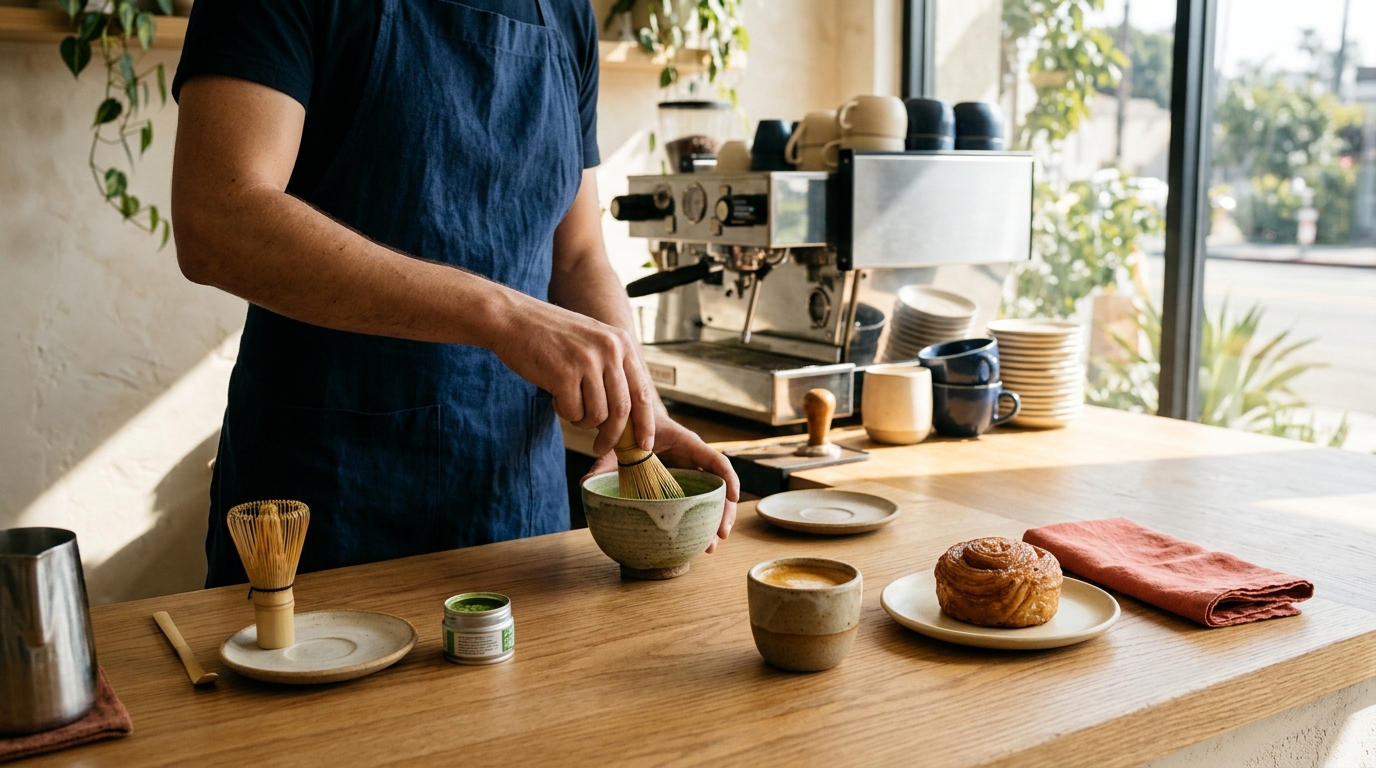
California matcha and coffee trends in 2026 are about more than the newest drink on a social feed. Cafés are becoming small destinations where people compare flavor, watch drinks being made, and build a few quiet minutes into their day. Matcha has gained especially visible momentum, while specialty coffee continues to evolve through thoughtful sourcing and creative service.
New flavors are exciting, but good café experiences do not require an elaborate order. A well-pulled espresso, carefully whisked matcha, or balanced iced drink can reveal how much technique influences taste. Here is a practical guide to what is changing, what is worth trying, and how to choose a café that fits your preferences.
Why Matcha and Specialty Coffee Are Having a Moment
2026 reporting from California publications describes matcha menus spreading beyond straightforward green tea lattes into fruit, foam, and seasonal combinations. At the same time, the National Coffee Association’s 2026 specialty coffee research tracks broader American interest in specialty beverages. Those are different measures, but together they show why beverage-focused cafés have become a useful lens on local food culture.
The strongest shops make the drink itself the focus. They explain what you are ordering, help you understand flavor differences, and offer options that suit different levels of sweetness. A beautiful photograph may get someone through the door; clarity and consistency are what make the experience worth repeating.
Understanding Matcha Beyond the Color
Matcha is powdered green tea, traditionally whisked into water, although modern cafés also serve it with milk and flavored syrups. Taste can range from grassy and savory to softly sweet, depending on the tea and preparation. Vibrant color alone does not prove superior quality, and labels can be inconsistent across brands.
If it is your first time, consider ordering a plain matcha before trying a dessert-inspired variation. You will learn whether you enjoy its base flavor. If you usually drink sweet iced beverages, start with a lightly sweetened latte and ask whether the shop can adjust the syrup. That is more informative than judging every matcha by a single heavily flavored cup.
The vocabulary around tea can be confusing because marketing words do not always mean the same thing from one brand to another. Instead of treating a premium-sounding label as proof, ask a practical question: is this preparation meant to be drunk plain, with milk, or as a flavored iced beverage? A knowledgeable shop can explain the intended experience without burying you in terminology. If you enjoy the base tea, you may want to explore different preparations at a later visit, when you can compare them without sweet toppings masking every difference.
Fresh Preparation and Flavor Balance
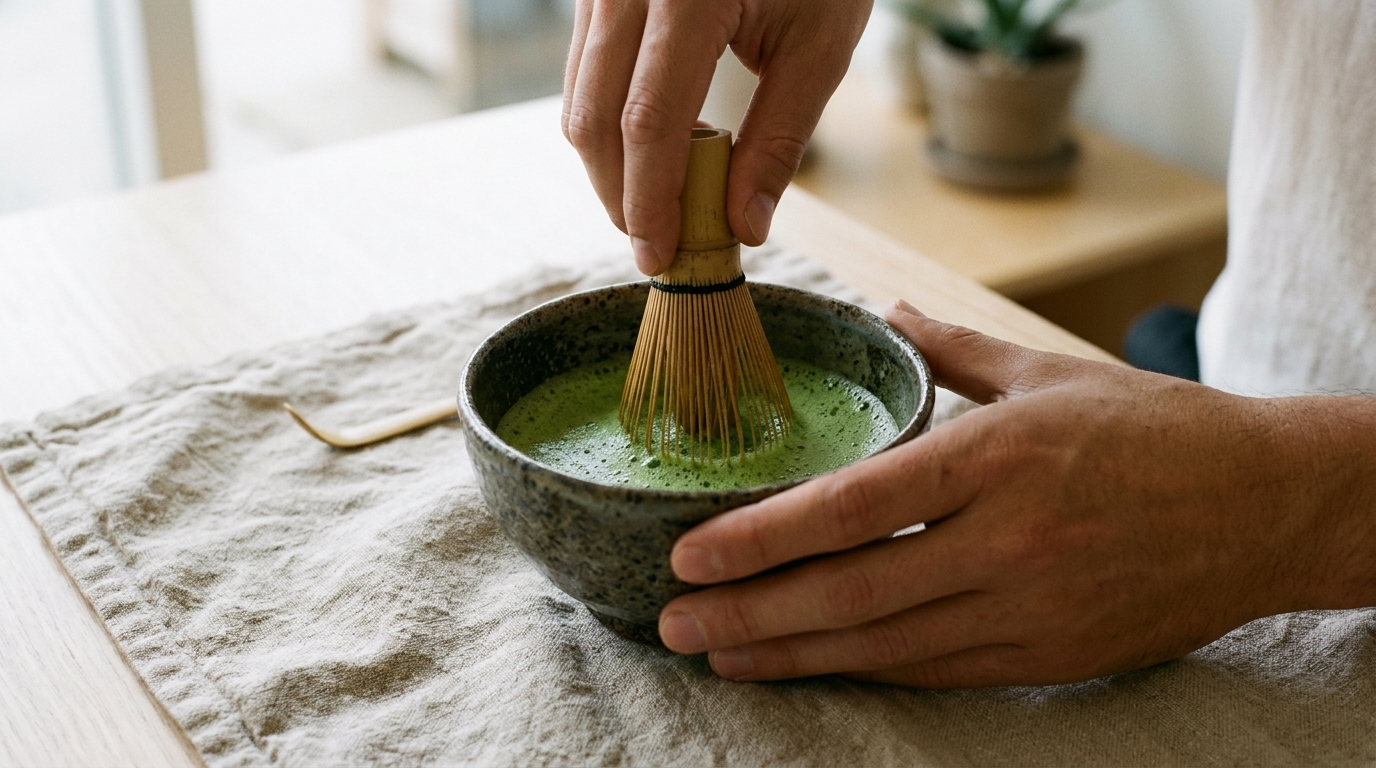
Some shops emphasize tea made to order, and a few specialty concepts focus on freshly milled or carefully sourced leaves. Those approaches can be interesting, but do not assume every venue is using the same production methods. Ask staff how they prepare the drink, what they recommend for newcomers, and whether a straight tea tasting is available.
Pay attention to temperature and texture. Excessive sweetness can bury delicate flavors, while clumps may suggest that the powder was not thoroughly mixed. A good drink should taste intentional, whether the final result is traditional, fruity, or creamy. An expensive price tag is not a substitute for a balanced cup.
How to Try Creative Café Flavors Thoughtfully
Strawberry, citrus, banana, and floral flavor combinations appear across contemporary beverage menus, but availability changes quickly. Instead of chasing one viral recipe, choose a drink around a flavor you already like. Fruity matcha can be bright and refreshing, while richer additions can move it toward dessert.
Ask about caffeine and ingredients when that information matters to you. Matcha contains caffeine, and specialty coffee drinks can vary substantially in strength. If you avoid dairy, confirm which milk alternatives are used and whether foams contain other ingredients. Staff should be able to help without making a simple order feel complicated.
What Specialty Coffee Fans Can Still Get Excited About
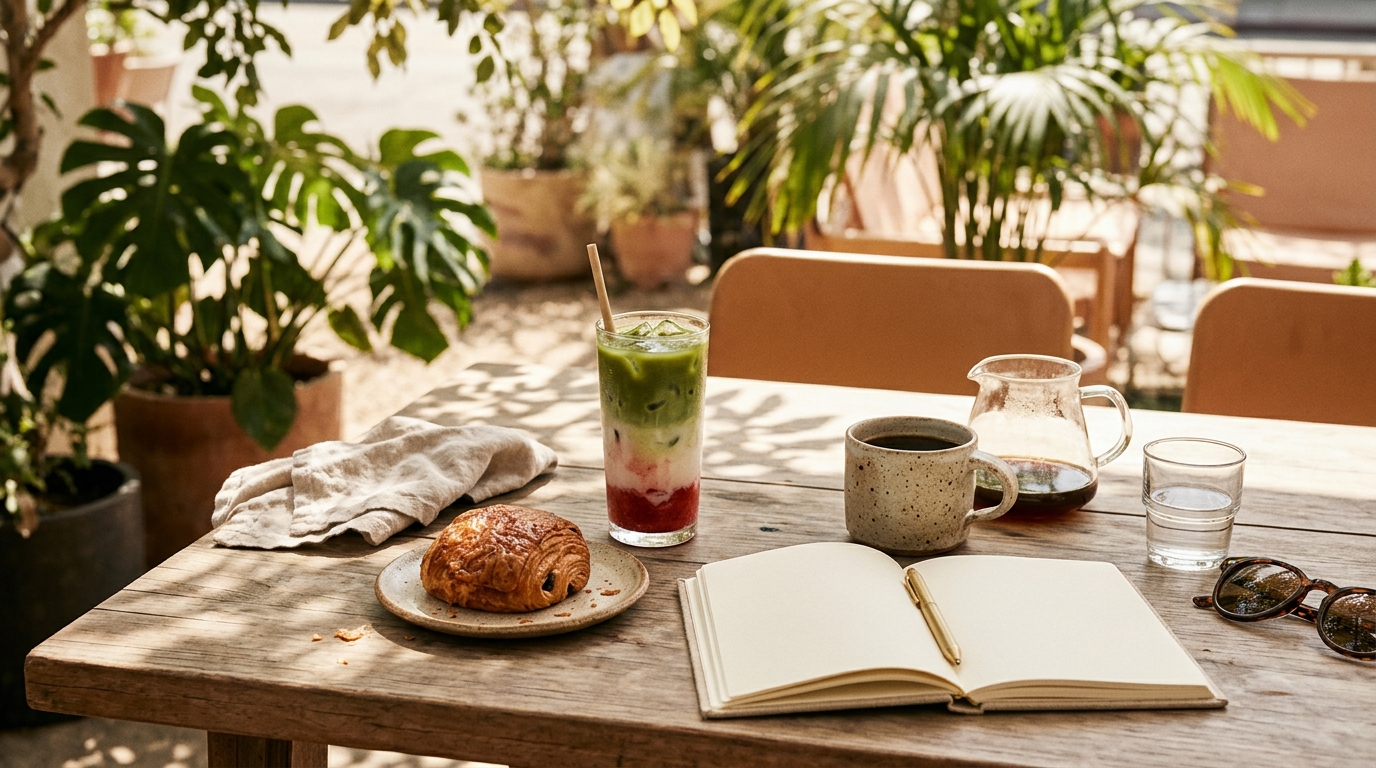
While matcha draws attention, espresso, filter coffee, and carefully brewed single-origin options remain central to café culture. Brew method changes the result: a pour-over may highlight delicate notes, while a milk-based espresso drink emphasizes body and texture. You do not need to master tasting vocabulary to notice what you prefer.
Try the same bean prepared two ways when a café offers that choice. Ask for flavor descriptions in everyday language rather than treating tasting notes as promises. “Chocolate-like” or “citrus-like” usually describes a sensory impression, not an added ingredient. Readers looking for broader café-inspired outings can start with the Cali Diaries coffee culture hub.
A simple tasting exercise is to notice the drink before taking the first sip. Smell it, then compare the initial impression with the flavor that remains after swallowing. Is it bright, nutty, mellow, or strongly roasted? None of those words is automatically a mark of quality; preferences vary widely. If the café offers the same coffee as espresso and brewed coffee, the difference can teach you how extraction and texture influence flavor. These observations make future orders easier because you can describe what you liked.
How to Build a Better California Café Day
Instead of traveling across an entire city for five drinks, pick a neighborhood and make one café the centerpiece. Spend a little time studying the menu, order something familiar and something new if you are sharing, and leave space for conversation. Local bakeries, bookstores, and parks can turn a coffee stop into a relaxed afternoon.
Consider value as well as novelty. A shop with comfortable seating, transparent pricing, and consistently good drinks may be a better fit than a long line built around one trending flavor. You can use the Cali Diaries food guide to connect your café visit with a meal nearby.
A Simple Tasting Route for Different Preferences
Begin with a straightforward drink that shows the café’s technique. For coffee lovers, that might be an espresso or brewed cup; for tea lovers, a matcha made without elaborate toppings. At a second stop, try a house specialty that introduces a new texture or ingredient. The contrast teaches more than ordering two almost identical sweet drinks.
Keep the tasting realistic. Too much caffeine can distract from the experience, and pastries or water help make the outing comfortable. If you want to share impressions, describe sweetness, intensity, temperature, and texture rather than assigning arbitrary scores. The objective is to identify your own preferences, not declare a statewide winner.
If you are visiting with friends, agree to share impressions without pressuring anyone to finish a drink they dislike. One person may enjoy a tart fruit matcha while another prefers an unsweetened cup. If you record the name and preparation of what you tried, you will have a better reference for future outings than a vague photo caption. Consider ordering one pastry or savory snack between stops to turn the tasting into a leisurely neighborhood walk rather than a rapid series of caffeine purchases.
How to Spot a Café Worth Returning To
Look for an understandable menu, prices displayed before ordering, staff who can explain ingredients, and service that feels welcoming even when busy. Clean counters, a sensible pickup system, and a few well-executed drinks matter more than elaborate décor. These small signals make the experience accessible to both regulars and visitors.
Think about how the café fits your routine. A lively espresso bar may be ideal for a quick morning stop; a quieter tea shop could be better for conversation. Neither format is automatically superior. Review opening hours directly before traveling, especially around holidays or during changes in neighborhood foot traffic.
Support Local Shops Without Chasing Every Trend
Order what you actually want and share specific, useful feedback when a drink exceeds expectations. If you post a photo, credit the café accurately and avoid turning a brief visit into an unsupported claim about the “best” drink in California. Local businesses benefit from thoughtful recommendations more than exaggerated rankings.
Experiment gradually with unfamiliar ingredients, especially if you have sensitivities or dietary restrictions. Ask questions before ordering and remember that “plant-based,” “functional,” and “natural” do not tell you everything about a beverage. A satisfying café experience begins with taste and hospitality, not a health promise.
California’s matcha and coffee scene is most interesting when you approach it with curiosity rather than urgency. Try something classic, explore a new combination, and notice how each neighborhood gives its cafés a different personality. The next memorable cup might be beautifully simple. For more ideas, browse the weekend plans collection and make your tasting part of a larger local day.