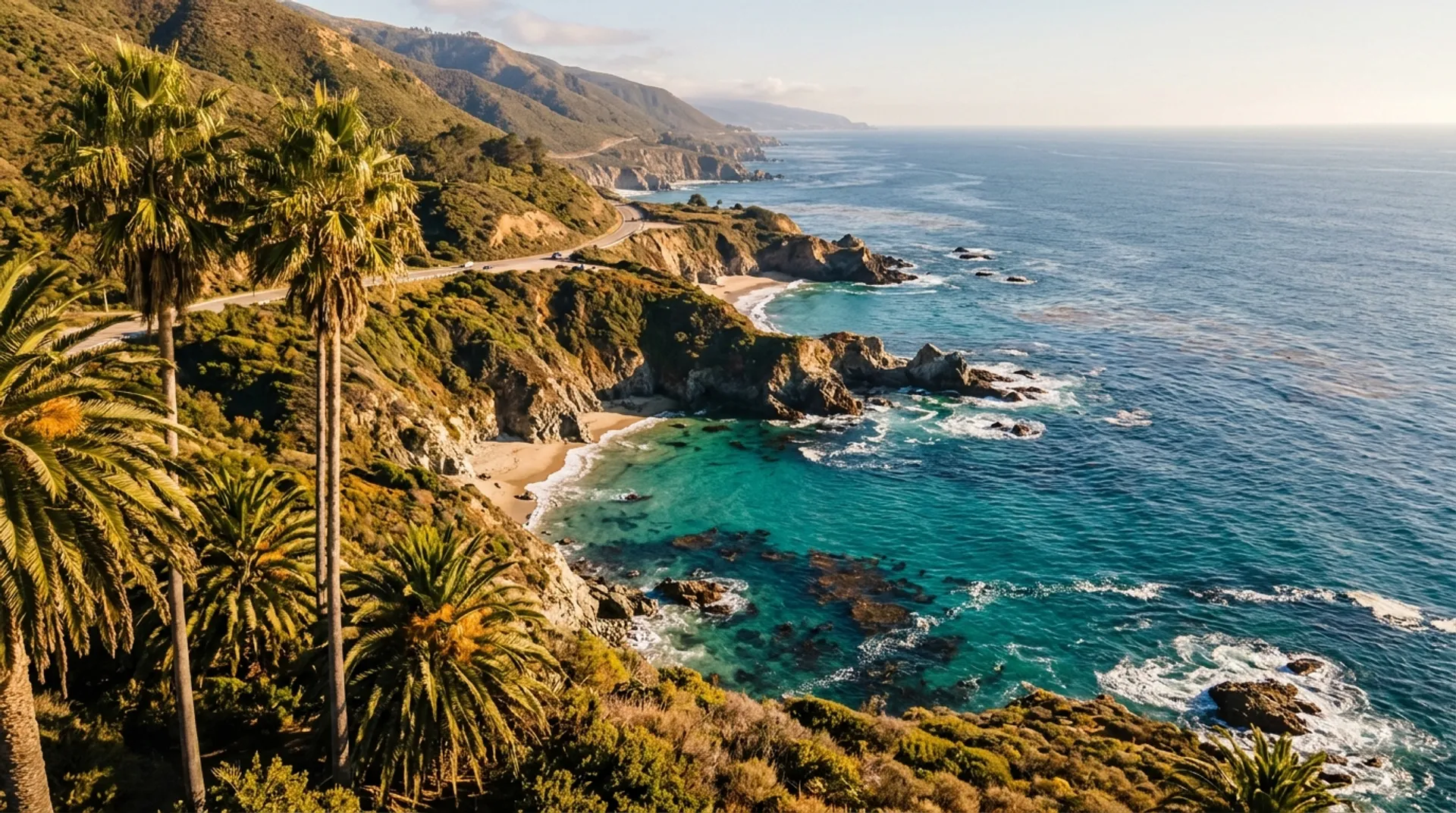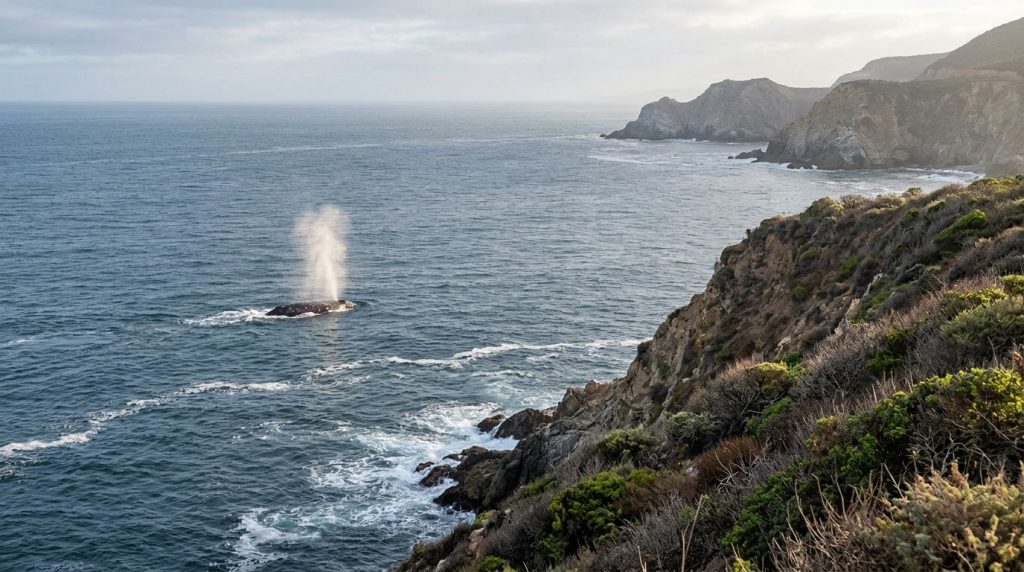
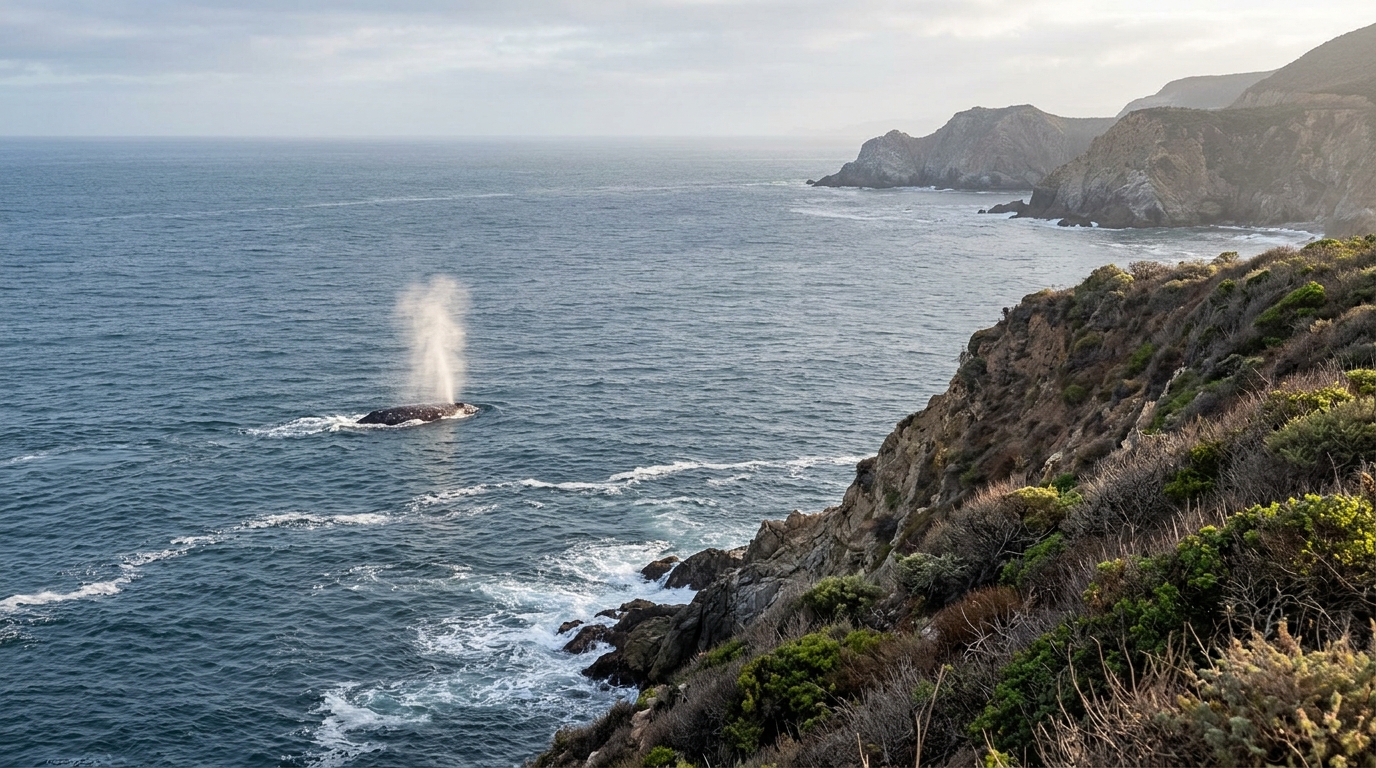
California winter whale watching offers a different kind of coastal adventure: long ocean views, the possibility of a distant spout, and a reason to slow down in seaside towns. The 2026–2027 season is especially appealing for a short weekend because you can combine wildlife watching with a scenic walk, good food, and time outdoors without needing a complicated itinerary.
It is important to start with one realistic expectation: whales are wild animals, and sightings are never guaranteed. Weather, migration timing, and feeding conditions change the experience. A successful outing is one that treats the coast with respect and remains enjoyable whether you see a pod, a single whale, or only a beautiful stretch of ocean.
When and Where to Look for Whales
Gray whales are the main winter migration story along much of the California coast. Visit California describes their broad viewing season as November through May, with the southbound journey often seen between December and February and northbound mothers and calves appearing later in spring. Other whale species have different seasonal patterns, and conditions vary by location.
Monterey Bay and Dana Point are widely known for whale watching, but parts of the coast also offer land-based opportunities. You do not have to book a boat every time. A safe bluff viewpoint can provide hours of absorbing scenery, especially when binoculars help you notice activity far offshore.
Monterey Bay and the Central Coast
Monterey Bay’s deep submarine canyon supports a productive marine ecosystem and year-round wildlife activity. Boat trips depart from the Monterey area, but shoreside visitors can still enjoy coastal walks and overlooks. When planning, check the operator’s current schedule, weather policy, and accessibility information; available tours and departure times vary.
Big Sur viewpoints can be spectacular, but road access and trail conditions deserve independent checks. Choose developed overlooks with legal parking rather than attempting to find an unmarked cliff edge. For a broader itinerary around the region, review the Cali Diaries destinations and road trips guide before setting your route.
Traveling during winter can mean excellent scenery and unpredictable seas on the same day. Consider spending the night near your chosen departure harbor so an early tour does not begin with a stressful drive. If you arrive the previous afternoon, walk the waterfront and read the visitor information available at the harbor or a nearby education center. Those small activities add context about the local ecosystem. They also mean the trip already contains something worthwhile before you ever step aboard a boat.
Shore Watching With Binoculars
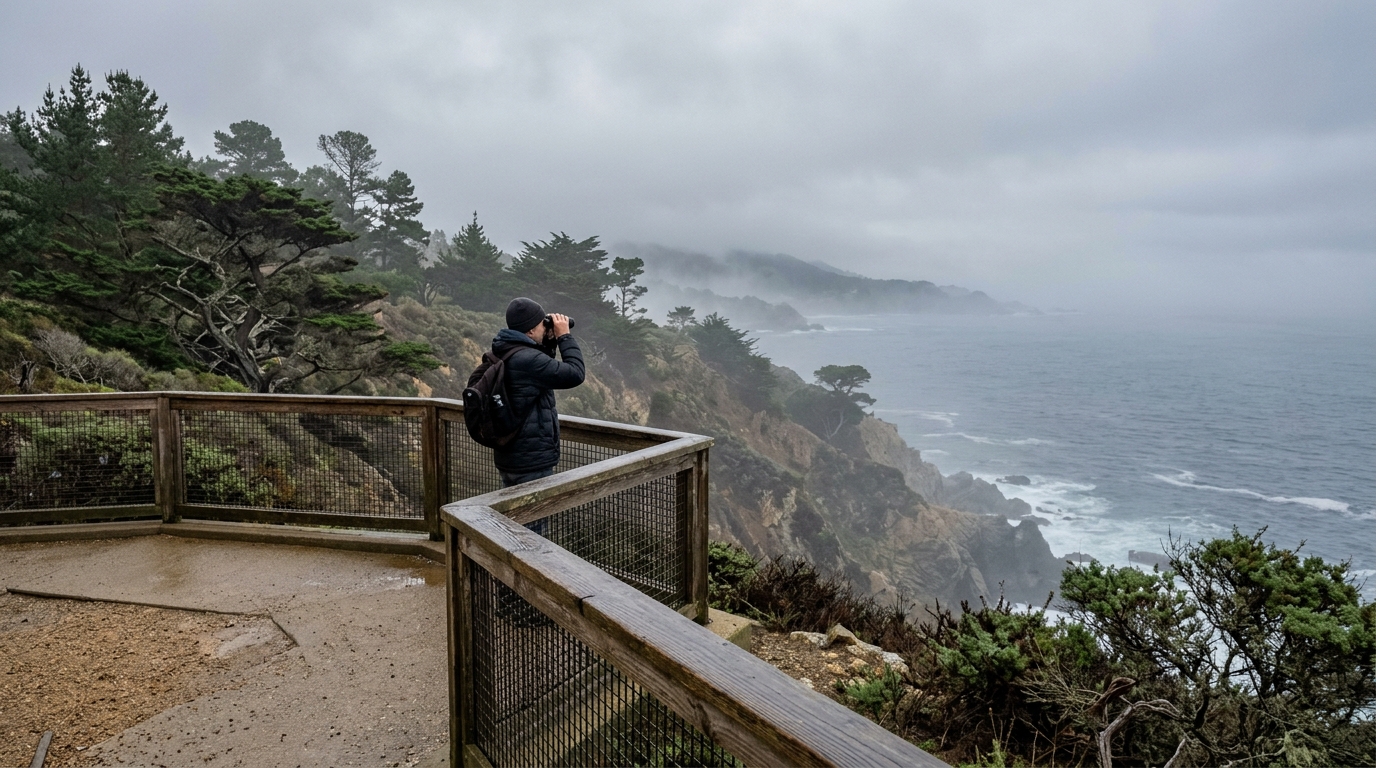
Start with a stable, designated viewpoint above the shoreline. Scan the horizon slowly, then focus on patches of water where seabirds or surface disturbances catch your eye. A distant spout may look like a brief white mist; large splashes are less common than dramatic photographs suggest. Patience is more useful than moving constantly from one spot to another.
Bring binoculars, wind-resistant layers, and comfortable shoes. Keep children and pets away from cliff edges and follow posted trail boundaries. If the weather is rough, enjoy the scene from a safer sheltered viewpoint rather than moving closer to waves for a photograph.
What to Ask Before a Boat Tour
Ask how long the trip lasts, which harbor it uses, whether refunds or rebooking apply to weather cancellations, and what accessibility accommodations are possible. Some operators emphasize education or naturalist commentary, which can improve the outing even when animals are distant. Look for transparent wildlife-viewing policies rather than promises of guaranteed close encounters.
If you are prone to motion sickness, speak with a healthcare professional or pharmacist about suitable options before travel. Dress for temperatures on the water, which can feel colder than the dock. Secure personal items so they cannot blow overboard and follow every safety instruction from the crew.
Southern California and Dana Point
Dana Point is another established place to learn about the migration. Southern California coastal travel can combine harbor activities, shore walks, and restaurants within a relatively compact area. Migrating gray whales are often associated with the winter-to-spring window here, though any particular day depends on nature, not a timetable.
Choose a harbor-based day if you want the chance of a tour, or design a shore-focused visit if you prefer a flexible schedule. Look up parking rules and the current operating status of overlooks before departing. Pair the experience with a meal from the Cali Diaries California food guide for a full weekend without rushing.
A good shore-watching location should be selected for comfort and visibility rather than for proximity to the waterline. Higher overlooks can give you a wider scanning area without putting you close to waves. Early or late light may look beautiful in photographs, but glare can also make small spouts difficult to see. Try different safe directions of view and take regular breaks. If a destination is busy, leave adequate room for others to use the path and avoid blocking accessible viewing areas with tripods or large bags.
How to Watch Whales Responsibly
Wildlife etiquette matters more than the size of your camera lens. NOAA Fisheries’ West Coast whale-watching guidance recommends staying at least 100 yards from whales, with additional rules for some species and places. Boaters should avoid chasing, crossing an animal’s path, or trapping it between vessels.
The same spirit applies on shore: give marine animals room, avoid flash photography that disturbs wildlife, and never approach or feed resting seals or sea lions. A responsible operator will prioritize the animals over a closer photograph. That decision protects the wildlife and improves the long-term experience for visitors.
A Weekend Plan That Works Without a Sighting
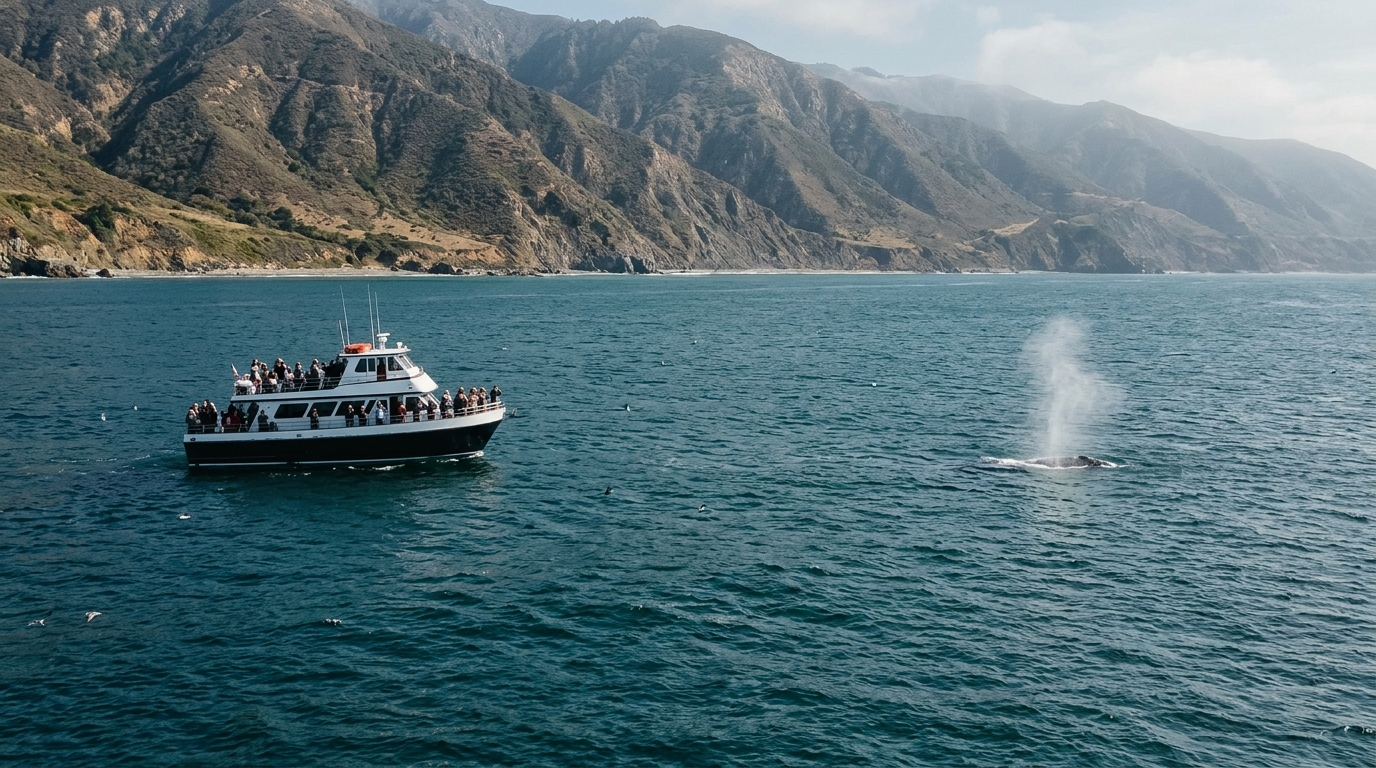
On Saturday, spend the morning at a designated coastal viewpoint and reserve the afternoon for a museum, aquarium visit, or neighborhood walk. If conditions are favorable, a Sunday boat trip can become the headline experience. Alternatively, reverse the order and leave a flexible shore-based activity as your backup. The point is to keep the weekend enjoyable regardless of wildlife movement.
Book accommodation close enough to reduce dawn or dusk driving. If you are visiting a popular coastal community, check any local parking and access rules. More short itineraries are available on the weekend plans page, which can help you balance outdoor time with food and relaxation.
If you are deciding between two possible tour days, ask the operator how they handle weather-related rescheduling and whether moving the booking is possible. Do not assume that a second departure guarantees a better result; wildlife activity can change unpredictably. A flexible itinerary lets you respond to conditions while preserving other plans. Remember, the most valuable memories may come from seeing seabirds, meeting a knowledgeable naturalist, or watching a winter sunset over an unexpectedly calm stretch of ocean.
Choosing the Right Weather Window
Wind, swell, rain, and marine advisories can affect the safety and comfort of a whale-watching trip. Check the forecast and listen to operator guidance; an event may be canceled even when sunshine is visible on land. Conditions can change quickly offshore, and a calm-looking harbor does not guarantee a comfortable ride.
If an operator cancels for weather, treat the decision as a safety measure, not a ruined vacation. Switch to a sheltered coastal activity, enjoy a local café, or visit a visitor center. The California coast has enough character that a wildlife-focused weekend should not depend on a single departure.
Photography Without Disturbing Marine Life
Use a telephoto lens or binoculars to appreciate animals at a distance. Do not fly drones toward whales or other marine mammals; NOAA warns that drone noise and close approaches can harass wildlife. If you are on a tour boat, remain in the areas designated by the crew rather than leaning out for a better angle.
Sometimes the most honest image is a dramatic coastline with a tiny spout in the distance. Avoid presenting stock photography or an old sighting as proof of what you saw that day. Responsible storytelling helps other travelers arrive with sensible expectations and keeps attention on the animals themselves.
California winter whale watching is an invitation to notice the ocean rather than control it. Choose a safe viewpoint or reputable tour, respect marine-life guidelines, and plan enough nearby experiences to make the journey worthwhile whatever the wildlife does. With warm layers and an unhurried schedule, even a quiet day can become a favorite coastal memory. Explore more California travel stories for your next outing.