
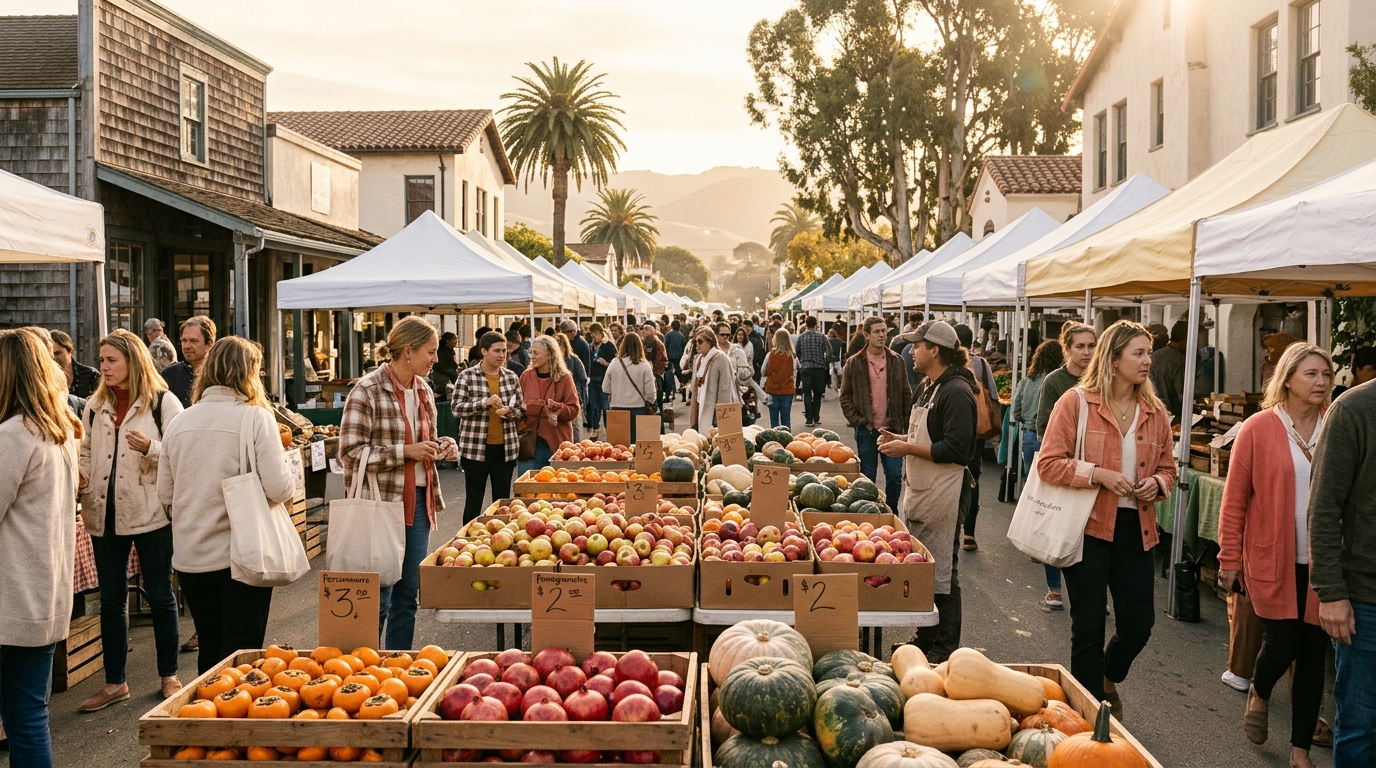
California fall farmers markets reward people who slow down. The scene changes from week to week: apples appear beside late-season peppers, tables fill with winter squash, and bakers start leaning into warm spices and hearty breads. A visit can become more than an errand when you treat the market as the opening stop of a small neighborhood adventure.
In 2026, the appeal is especially timely because travelers are looking for memorable local experiences without committing to expensive itineraries. A market morning offers conversation, fresh flavors, and a glimpse of what California actually grows. This guide explains how to shop thoughtfully, choose a destination, and build an enjoyable half-day around seasonal food.
Why California Fall Farmers Markets Are Worth a Visit
California does not follow one uniform harvest calendar. The Central Valley, cooler coast, Bay Area, and Southern California have different conditions, so a fruit that is common in one market may be less prominent somewhere else. That is part of the appeal: market tables tell you about the region better than a generic list of statewide specialties.
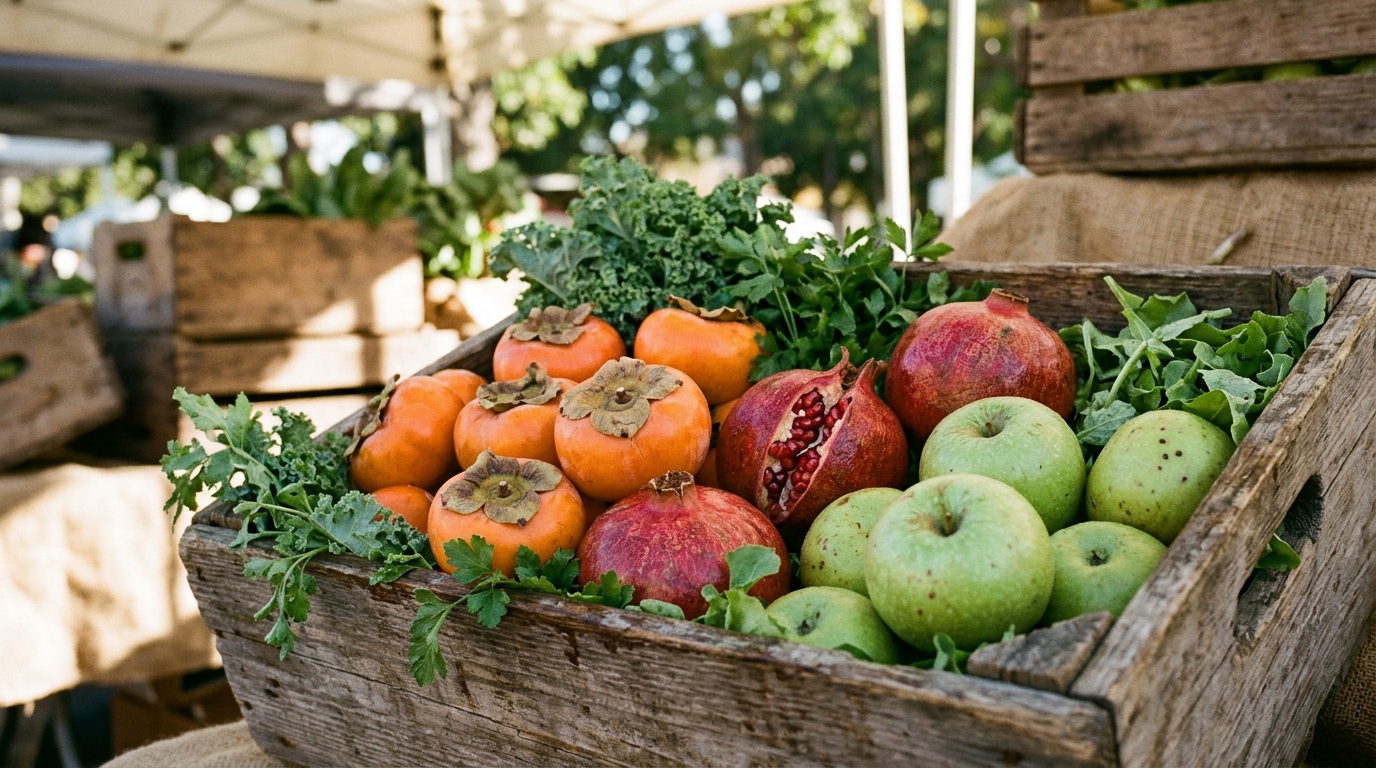
The San Francisco Environment Department publishes a helpful seasonal produce guide. Its November list includes apples, pears, persimmons, pomegranates, greens, broccoli, cauliflower, and winter squash. Exact availability changes with weather and growers, so think of a seasonal chart as a starting point rather than an inventory guarantee.
What to Look for at Market Stalls
Begin with one unfamiliar item and one ingredient you already know how to cook. Persimmons may be crisp or soft depending on variety; ask the seller before taking a bite. Pomegranates add brightness to grain bowls and salads, while winter squash can anchor a simple dinner with roasted onions and herbs. Some farms offer samples, but availability and sampling rules vary.
Look beyond produce to fresh bread, locally made preserves, flowers, and prepared snacks. A loaf and a small jar of jam can make a picnic; a seasonal pastry offers a quick taste of a baker’s style. Shopping this way produces a memorable experience without insisting that every stall become a purchase.
Seasonal abundance is also an invitation to notice what is missing. A market may have piles of greens but few berries, or several varieties of squash and no tomatoes. Those shifts are not signs that a market is incomplete; they often reflect the farm calendar. It helps to write down a few interesting varieties and ask growers when they expect them to return. Over the year, those notes become a personal guide to local seasons that no single supermarket aisle can provide.
Build a Seasonal Shopping List Before You Go
Write a short list with three categories: produce for the coming week, something ready to eat, and one discovery item. This prevents a beautiful display from becoming a bag of food you cannot use. Take reusable totes, a smaller insulated bag for temperature-sensitive items, and enough time to walk the full market before choosing where to buy.
If you plan to cook later, ask which items will hold up for several days and which should be eaten immediately. Farmers can often explain ripeness more precisely than a label. Confirm how vendors accept payment; some prefer cards, while smaller operations may appreciate cash.
Ask Questions That Make Shopping More Interesting
A simple question such as “What tastes best this week?” often opens a better conversation than asking for the most popular item. You might learn why a particular pear works well for baking or which squash is easiest to roast whole. That kind of knowledge is useful long after the weekend ends.
Respect the pace of the stand. If the line is long, make a quick purchase and save detailed questions for a quieter moment. Vendors are working; curiosity is welcome, but patience matters. Avoid assuming that every ingredient is organic or locally sourced unless the producer explicitly confirms it.
Where a Market Day Fits into a California Trip
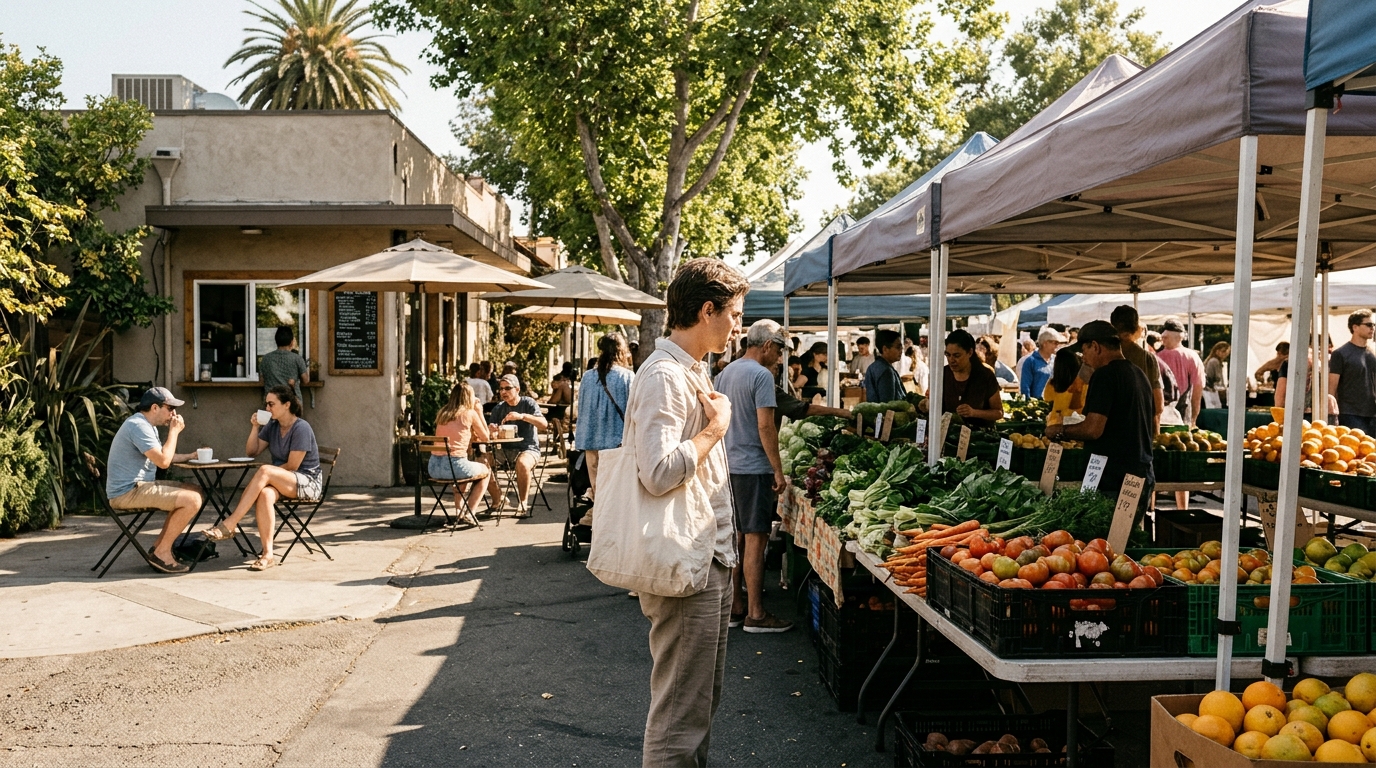
In San Francisco, a market visit can pair naturally with waterfront walking and a low-key lunch. In Los Angeles, neighborhood markets can introduce you to local bakeries, coffee counters, and independent stores. Around Sacramento and the Central Valley, the market often brings you closer to the agricultural identity behind California menus. The same basic outing feels different in every region.
Choose one area rather than racing between distant markets. Read the operator’s website for the current schedule, transit options, accessibility, and any weather-related changes. For more food-led itineraries, explore the Cali Diaries restaurants and food guide, then pick a nearby stop that fits your interests.
If you are traveling with people who do not love shopping, give them a role in the outing. One person can choose a pastry, another can find a small picnic spot, and someone else can photograph the produce that caught their attention. Then agree on a meeting point and a reasonable browsing time. This turns the visit into a shared experience rather than a chore. It is particularly useful with a mixed-age group or visitors whose interests range from food to architecture or neighborhood history.
How to Plan a Delicious Market-Centered Weekend
A good itinerary balances shopping with enough unscheduled time to enjoy the neighborhood. Start early enough to browse comfortably, but do not assume every market opens at sunrise. If the goal is breakfast, check whether prepared-food vendors attend that particular date. Some markets emphasize farms, while others mix produce with crafts and hot food.
Plan one anchor activity after the market, such as a museum, shoreline walk, botanical garden, or relaxed café. The day will feel fuller if you avoid scheduling multiple long drives. For more possibilities, compare ideas on the Cali Diaries weekend plans page.
A Flexible Morning-to-Afternoon Itinerary
Arrive with an open mind and make one full lap before buying perishables. Stop for coffee, browse the seasonal stalls, and collect ingredients for a lunch you can prepare later. If there is a picnic-friendly park nearby, choose ready-to-eat food and enjoy it there rather than sitting in a traffic-heavy parking lot.
In the afternoon, explore a single main street or cultural attraction. Take notes about favorite vendors for a return visit. Travelers can make the market a short stop before checking into accommodation; residents can use it as a recurring weekend ritual. Neither approach requires a complicated reservation or an expensive tasting menu.
For a longer stay, consider returning to the same market during the trip. The selection may change, but repeat visits also let you compare the character of different market days. Some visitors will want to photograph every colorful stall; others will remember an unusually good tomato or a conversation about citrus. Both reactions count as discovering California. Keep your itinerary flexible enough that a great market morning can become the main event rather than something you rush through to reach the next attraction.
Keep Food Fresh and Your Day Comfortable
Food safety matters when sunshine and sightseeing extend the time between purchase and refrigeration. Carry a cooler for foods that need to stay cold, put fragile fruit on top, and avoid leaving perishables in a hot parked car. If you are uncertain about storage requirements, ask the vendor before buying.
Wear comfortable shoes, keep pathways clear, and leave pets at home if the market’s rules restrict them. Plan shade and drinking water for warmer inland locations, even in fall. Check whether the market uses a parking structure or nearby public transit to avoid turning a pleasant morning into a frustrating search for a space.
Make the Trip Useful Even on a Small Budget
You do not need a packed basket to enjoy a farmers market. Set a spending range before arriving, split a pastry with a companion, and focus on items that will become real meals rather than photo props. For an inexpensive experiment, choose one seasonal ingredient and learn two ways to cook it during the week.
Some markets participate in food-access and incentive programs, but eligibility, participating stalls, and operating rules differ. Look up the specific market rather than assuming benefits are universally accepted. This lets you plan accurately and supports growers in ways that match your budget.
California fall farmers markets are at their best when you allow the season to set the agenda. Check current hours, arrive curious, shop with a plan, and leave room for one delightful surprise. Whether you find the perfect persimmon or a new favorite neighborhood bakery, the real reward is connecting food to the place it came from. For more ideas beyond the market, browse the latest Cali Diaries stories.